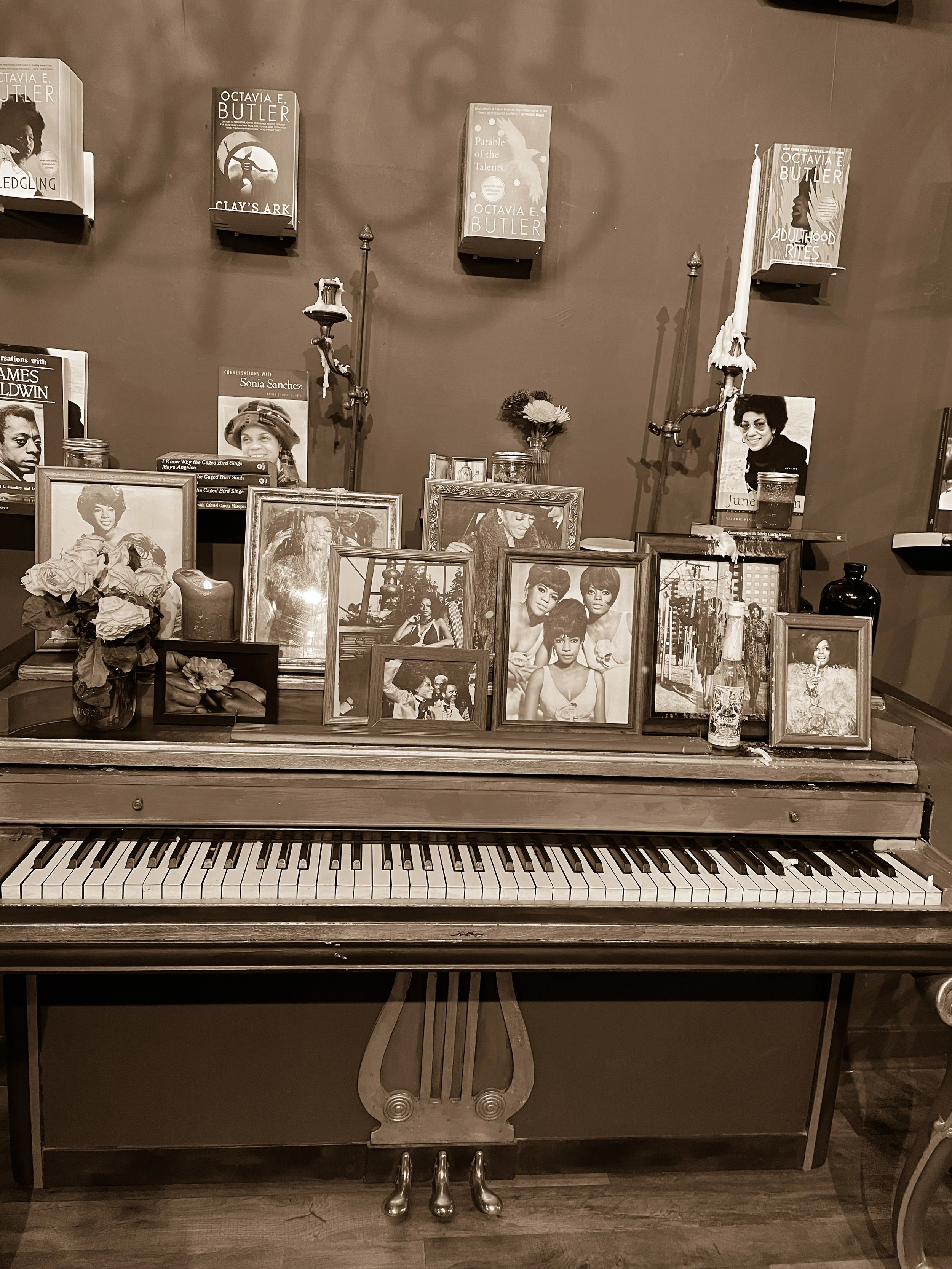
Some things are carried before they are named.
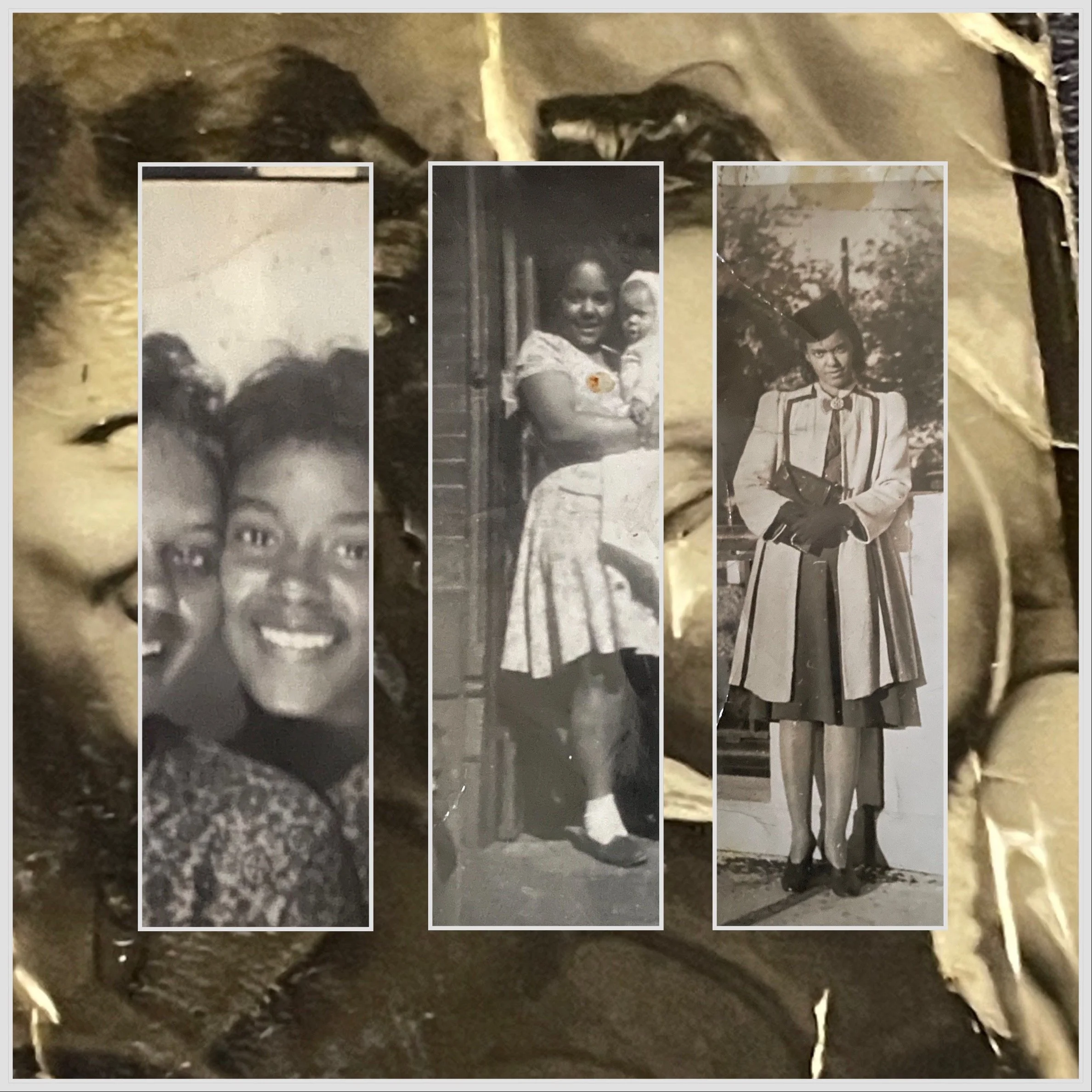
The archive remembers. The body carries. Access does not authorize.
LO/URE is an archival methodology, storytelling practice, and community inquiry that explores how memory travels—through bodies, relationships, landscapes, objects, cultural practices, and story.
My work begins with a question:
What carries memory when no one is looking?
For years, I believed I was searching for stories. What I have come to understand is that I have always been searching for the connective tissue—the relationships that bind science, lived experience, cultural memory, and imagination together.
Research has become my way of listening.
Science has become another language of recognition.
Community has always been the archive.
Inspired by the literary practices of Toni Morrison, Alice Walker, Jesmyn Ward, and Zora Neale Hurston, and informed by scholars including Dr. K. Zauditu-Selassie, Jeong-Eun Rhee, S. R. Toliver, Diana Taylor, and Saidiya Hartman, LO/URE asks not only how knowledge survives beyond institutions, but who is permitted to interpret what remains.
Rather than approaching archives solely as places where history is stored, I understand them as living relationships continually carried through people, place, practice, and material evidence. But relationship does not mean unrestricted access. Presence does not automatically grant permission. And absence in the record does not give us authority to fill the space with whatever we choose.
A gap is not an invitation.
This inquiry has led me across seemingly different fields: oral history, photography, narrative fiction, hydrology, epigenetics, Grandma Egg Theory, microchimerism, ritual studies, and African diasporic traditions. I do not understand these as separate disciplines, nor do I treat them as interchangeable forms of knowledge. I bring them into conversation.
Together, they allow me to ask what the body may carry biologically, what communities transmit culturally, what landscapes retain materially, what stories preserve relationally—and where the limits of our knowing must be respected.
Memory is relational.
It moves through breath and water, inherited gesture and learned practice, objects held and passed between hands, stories shared around kitchen tables, and through the body itself.
The body is not simply a witness to history.
It is one of history’s oldest archives.
For generations, Black women have preserved and transmitted knowledge in places rarely recognized by official records: recipes passed between hands, hymns carried across generations, gardens, front porches, beauty salons, church basements, handwritten notes, laughter, silence, and the daily practices through which communities taught, protected, organized, imagined, and remembered.
These were never merely domestic spaces.
They were sites of knowledge.
LO/URE invites us to recognize these practices for what they have always been: living archives.
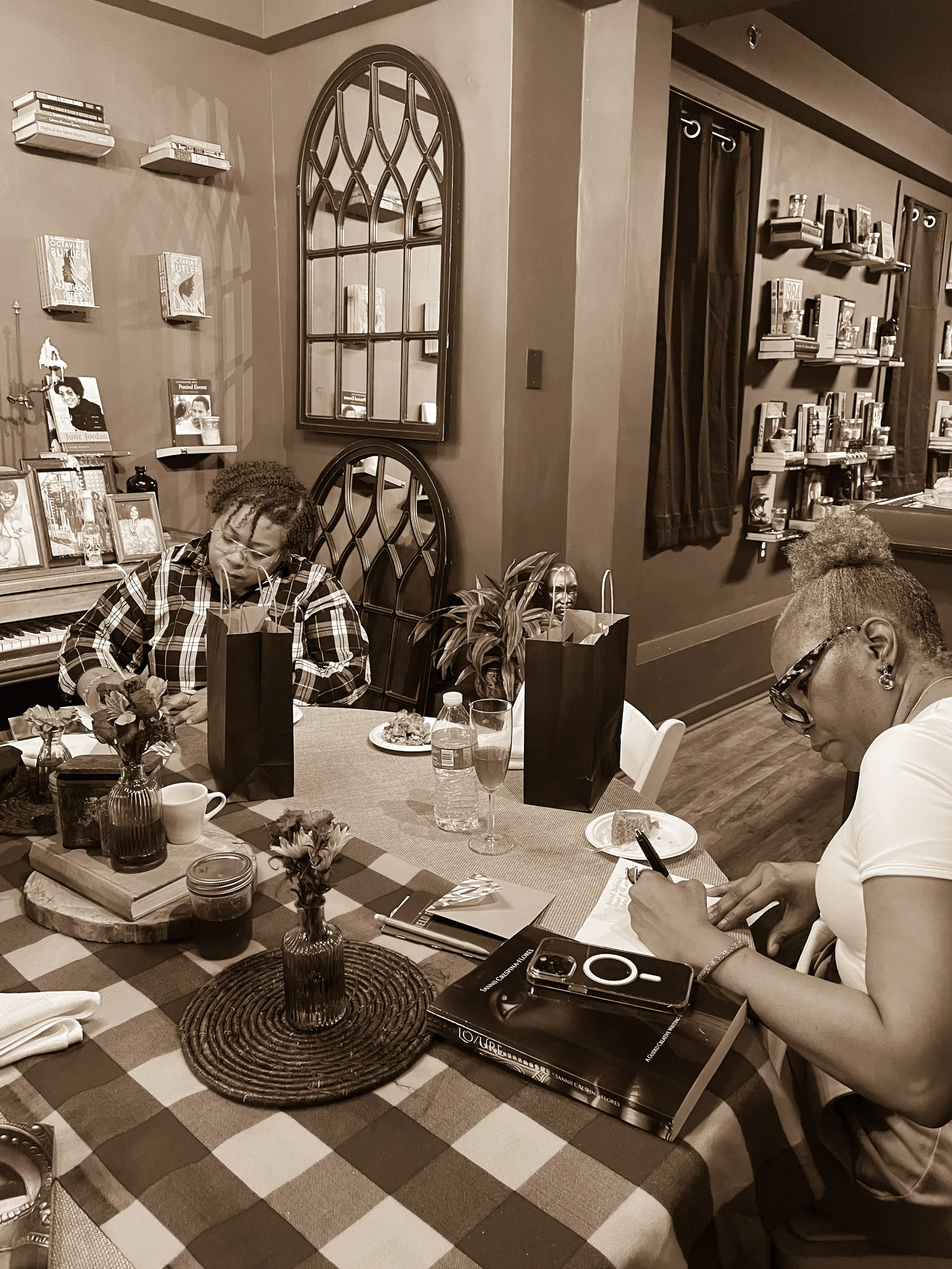
Across workshops, exhibitions, writing, photography, and collaborative research, I ask participants not simply to remember, but to notice—and then to practice discernment about what that noticing permits us to say.
Together, we ask:
What does the body know?
What has this object carried?
What relationship has remained invisible?
What else has this done?
And increasingly:
What does being given access authorize us to claim?
These questions shift the archive from a place we visit to a way of paying attention. They also ask us to distinguish between discovery and entitlement. Finding something does not necessarily make it ours. Inheriting something does not mean we understand all that it contains. Evidence can tell us that something happened without granting us access to every part of its story.
At the heart of LO/URE is an ethic of relational accountability.
Stories are not extracted; they are entrusted.
Research is not separate from community; it is accountable to it.
Scientific inquiry does not replace cultural knowledge, nor does biological inheritance automatically establish ancestral knowing. Instead, LO/URE places different forms of knowledge in conversation while attending carefully to their distinctions, their relationships, and their limits.
This is where fiction also becomes important. Not as permission to repair every silence in the historical record, but as a form capable of holding uncertainty, possibility, contradiction, and the things evidence cannot resolve.
LO/URE does not ask us to conquer the gap.
It asks us to learn how to stand beside it.
Ultimately, LO/URE is a practice of recognition and discernment.
Memory has never existed in one place alone. It lives in the connective tissue between body and landscape, science and story, evidence and silence, individual and collective, what is inherited and what is chosen.
When we learn to recognize those relationships, another question becomes possible:
Not simply, What can I know?
But, What am I authorized to carry forward?
This is how I understand remembrance.
Not as returning to what was lost—
but as recognizing what has remained, listening carefully to what it carries, and knowing that not everything we encounter is ours to claim.
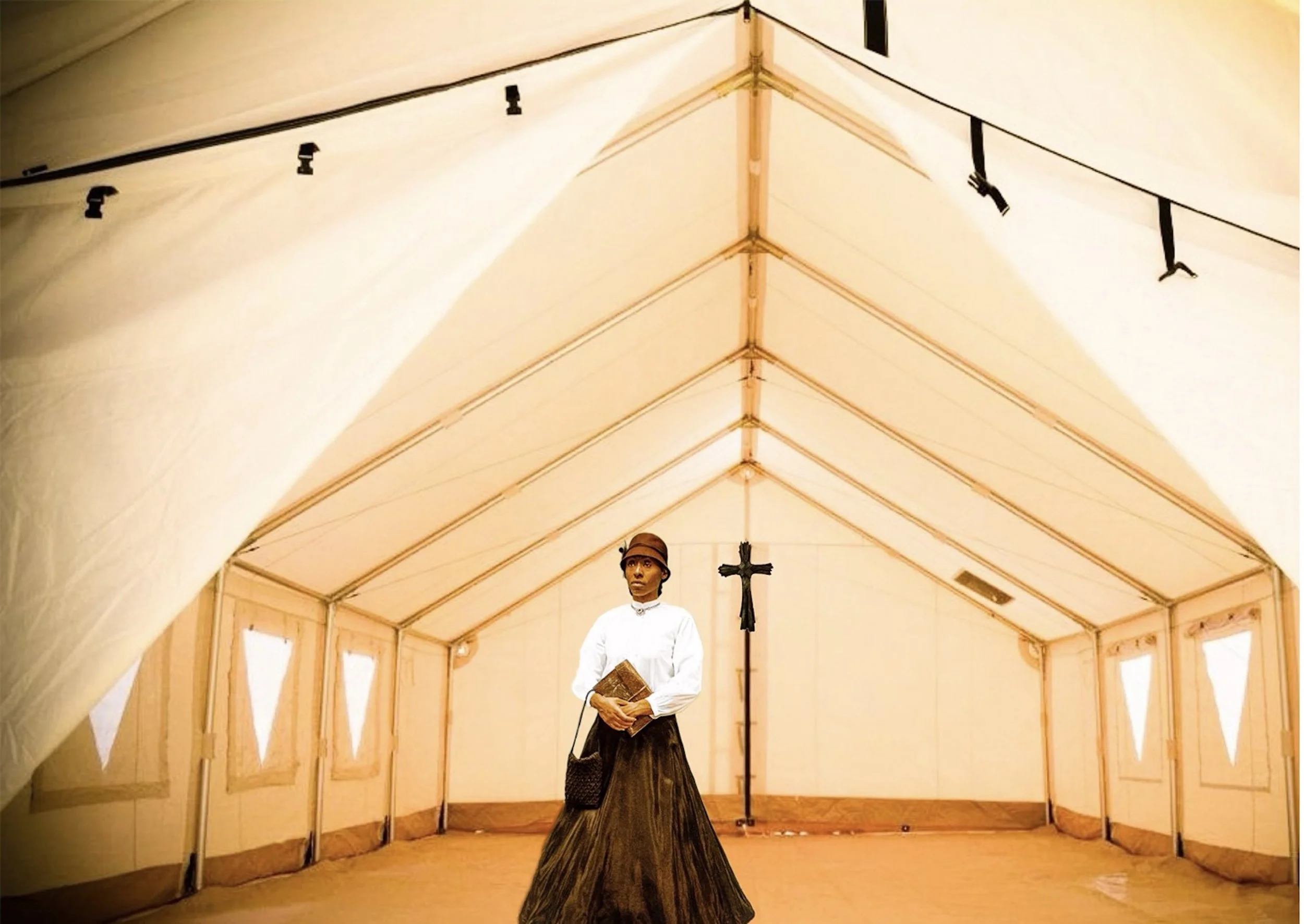
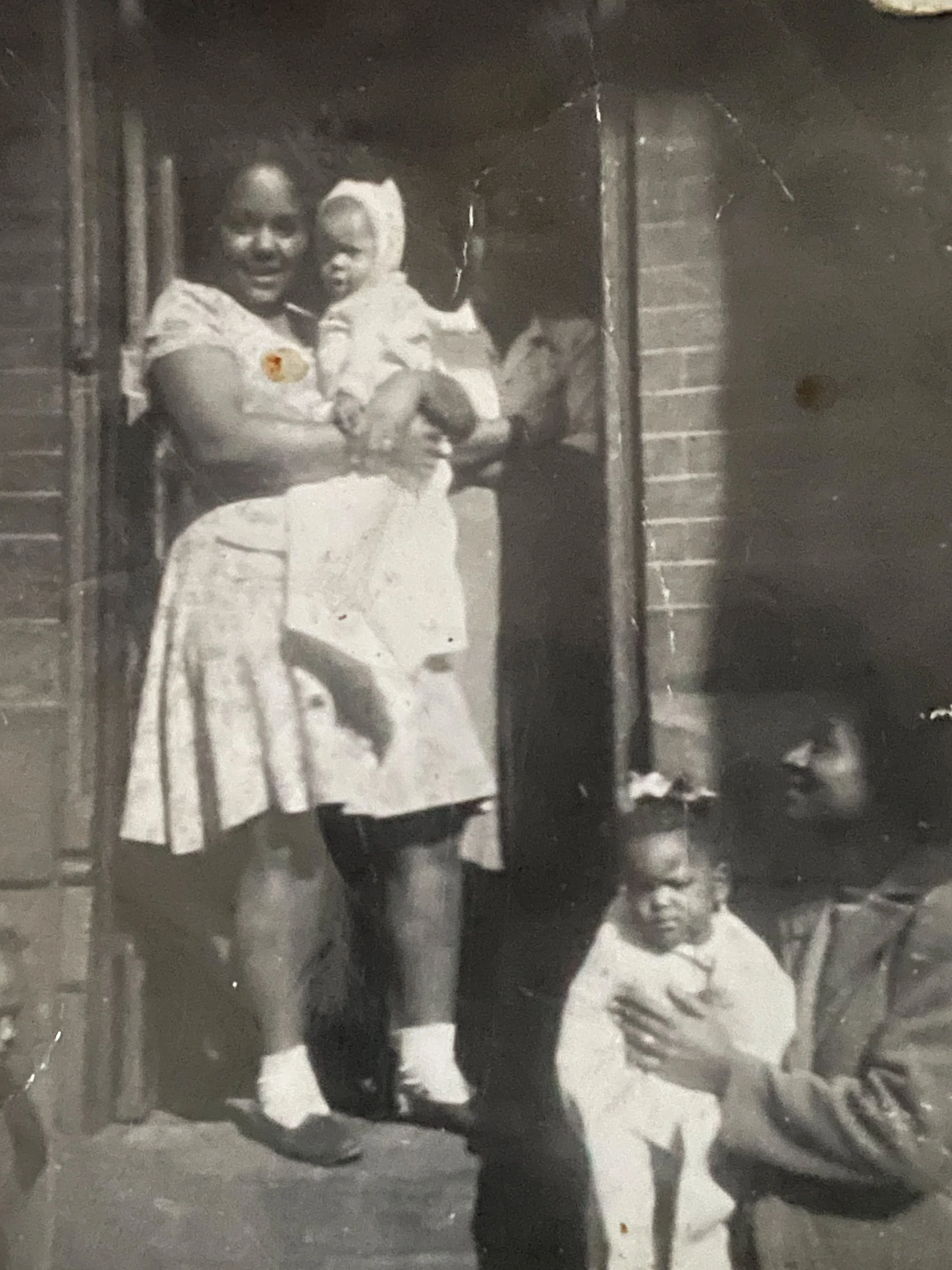
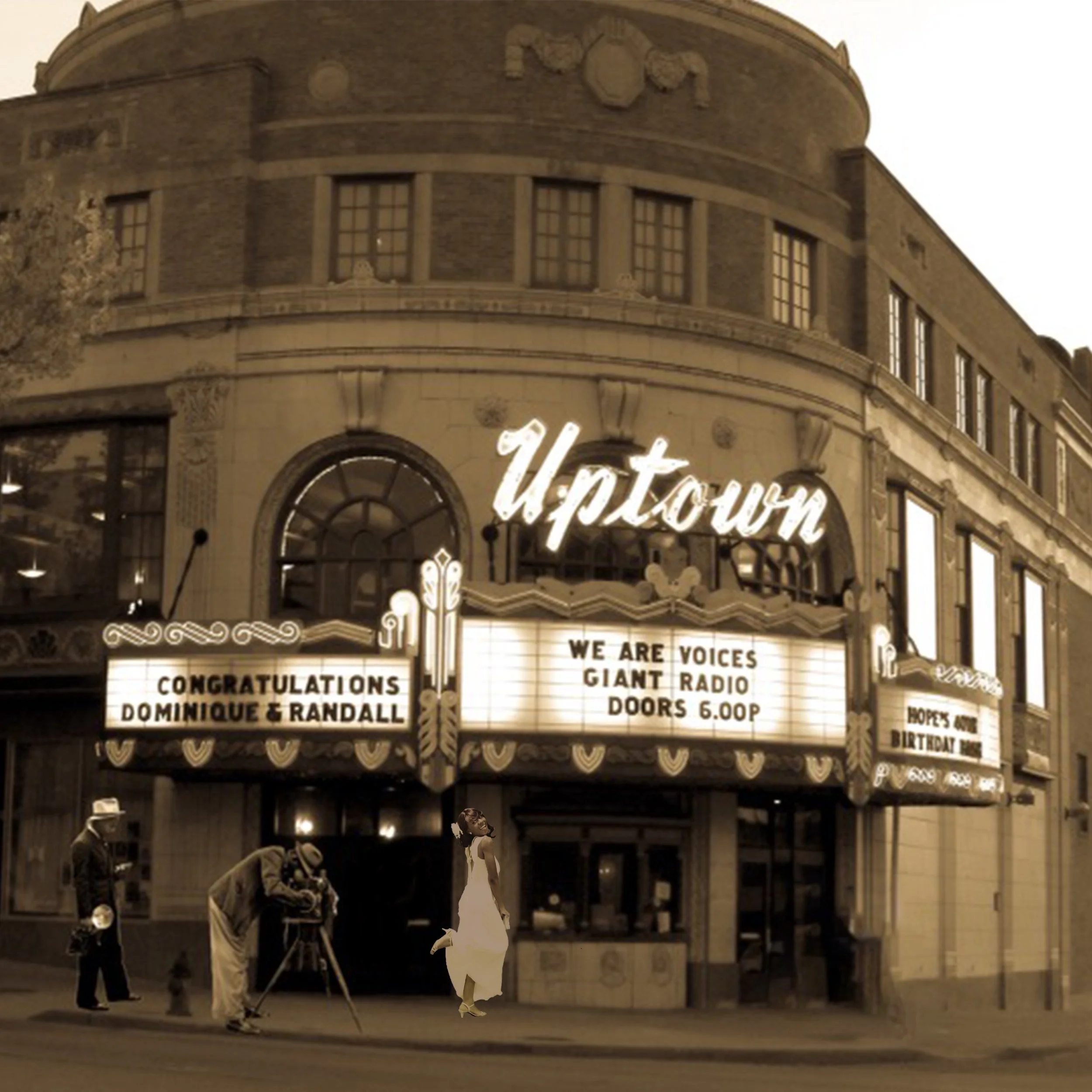
“They ask me to remember but they want me to remember their memories and I keep on remembering mine.”
- Lucille Clifton
“For all the juke joint women
With peek-a-boo knees and black seems
Grasping at hems in homemade winds
Red lip Sallys
With razor sharp teeth cutting paths for us
For all the women as emissaries
With velvet hands
Caught babies
Kneaded bread
And
Toiled unyielding soil
These divining rods prepared a sacred space for us
For all the Holy women
Leaving prayers in the back of photos in gilded frames
Taming fevered bodies with ancestral psalms from haint blue doorways
Performing miracles so that we would survive
Thank you”
SjCF
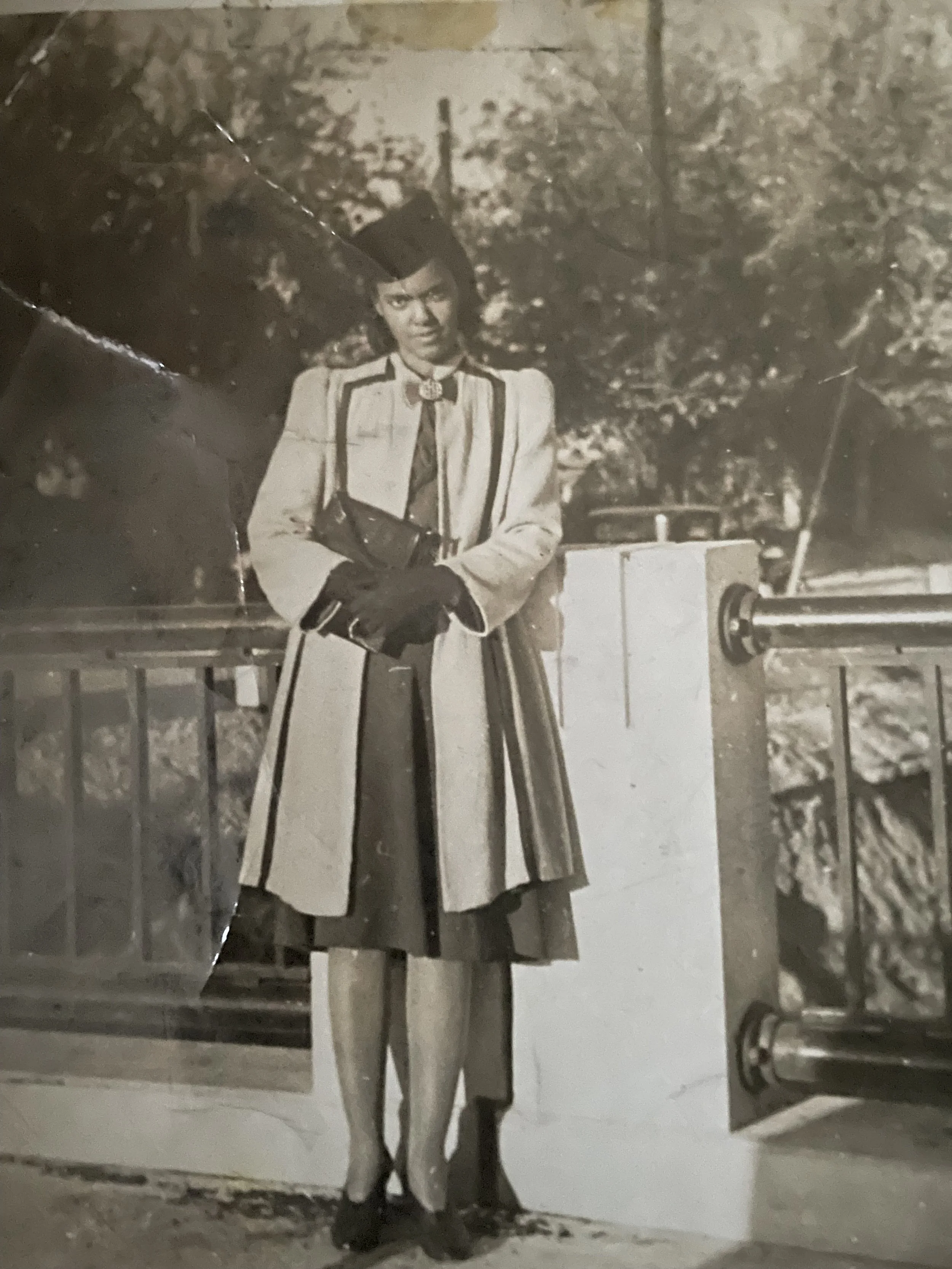
“I was raised by women who spoke in poems and songs, did ring dances and sometimes prayed for rain. They told fanciful tales, burned tobacco and sipped fire water.”
-SjCF
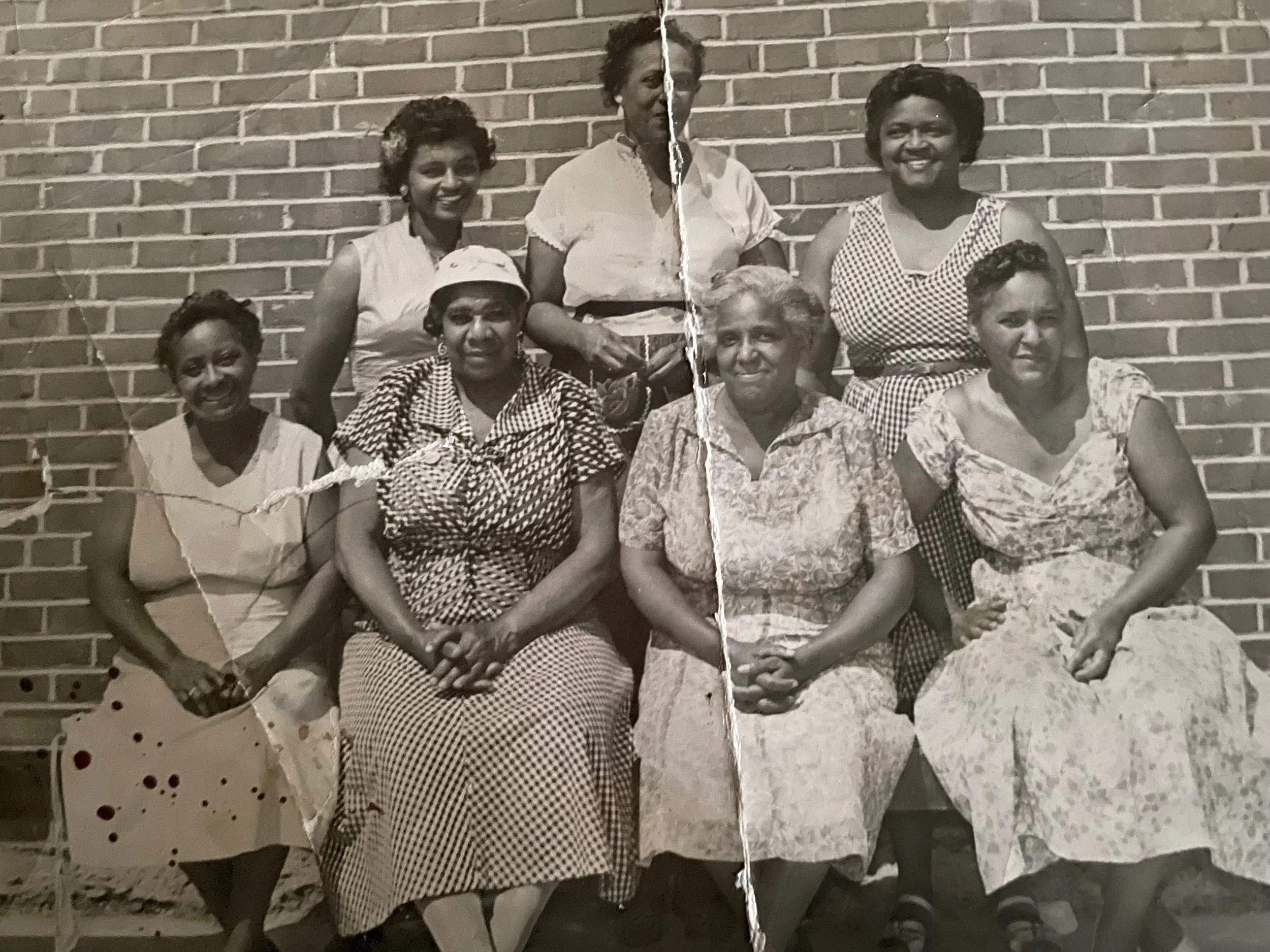
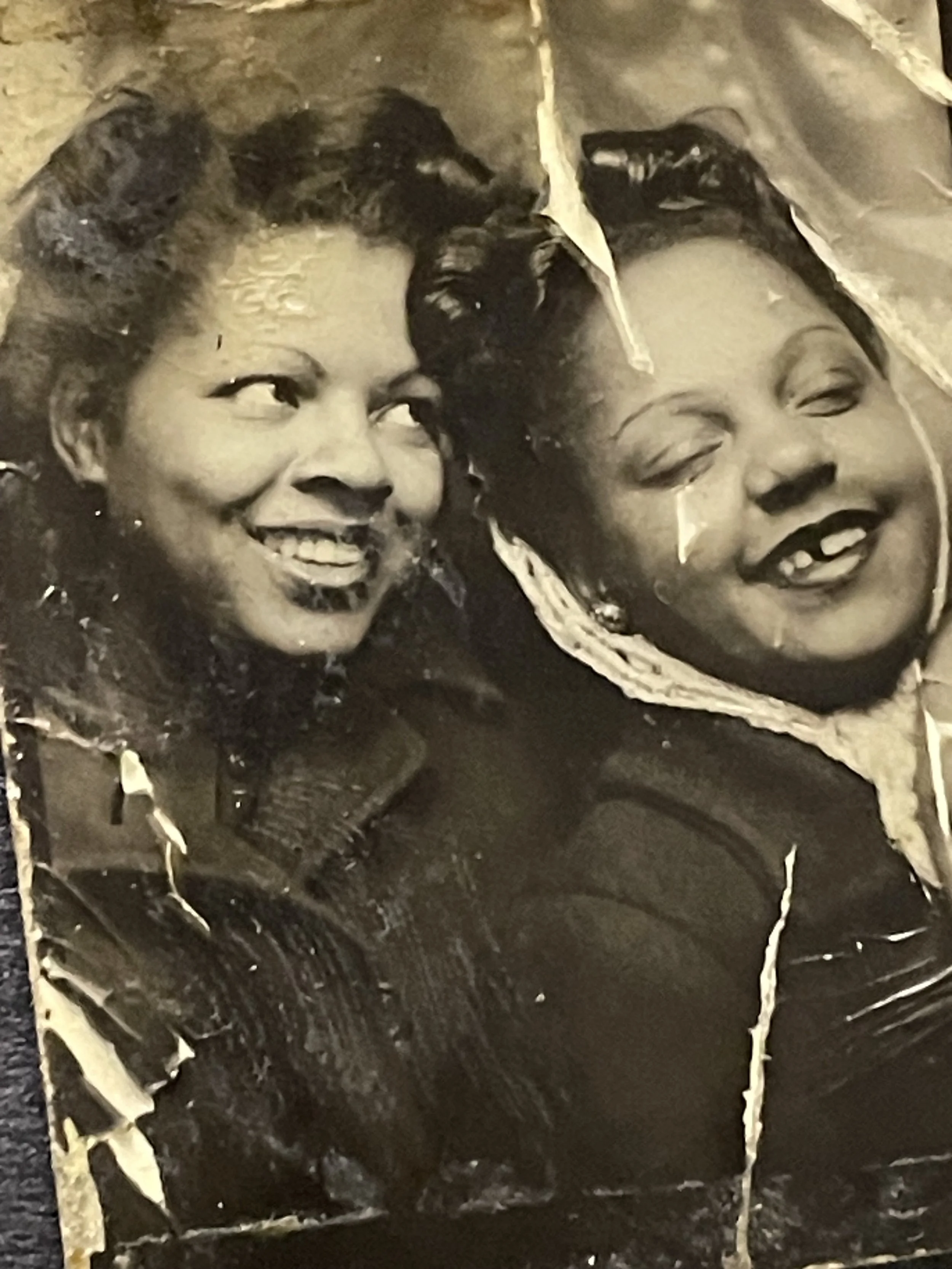
“Did I, did I tell you ‘bout the time I got free?
Got so free in the body that my mind traveled light years
And, I met God under a disco ball in a room full of swaying bodies
She was beautiful and Black like me
We danced until the music stopped
She left me with a song
Bone deep
Sung me into a new existence I had been longing for
Yes, Sugar, I got free”
-SjCF
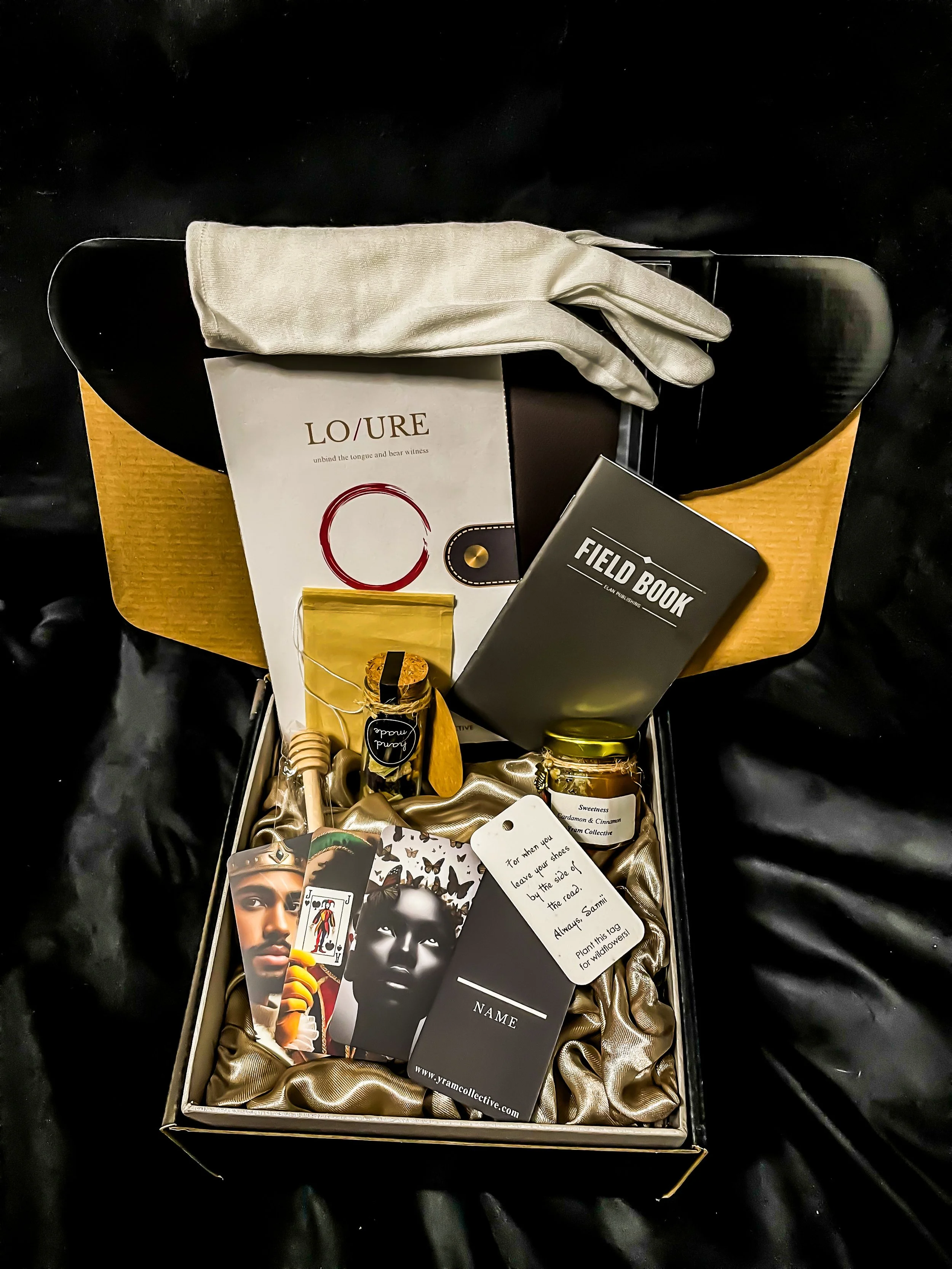
Start your Archiving Journey at home.